Powering Renewable Energy in Southeastern U.S.
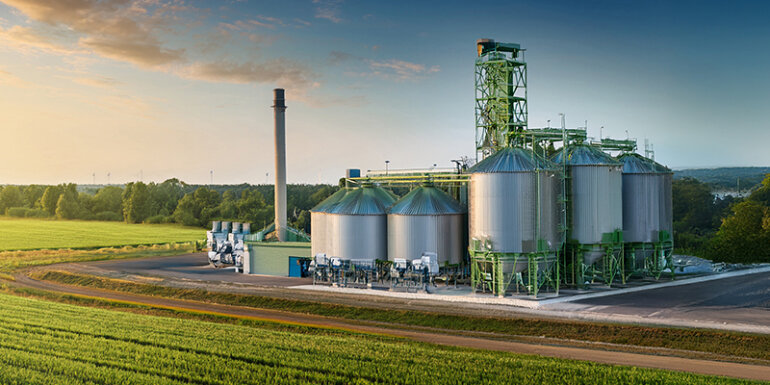
A major utility in the southeastern United States is expanding its renewable energy portfolio through several biomass power projects that are expected to add nearly 78 MW of generating capacity over the next several years. The projects include a new wood-fired biomass facility and expansions at existing industrial sites, increasing renewable energy production while making use of sustainably sourced biomass and established industrial infrastructure.
The largest of the projects is a 70 MW biomass facility integrated with an existing pulp and paper mill. The plant will generate renewable electricity for the grid while also supplying process steam to support mill operations through a combined heat and power (CHP) system. Additional capacity will come from upgrades at other industrial facilities in the region, further strengthening renewable generation and improving overall energy efficiency.
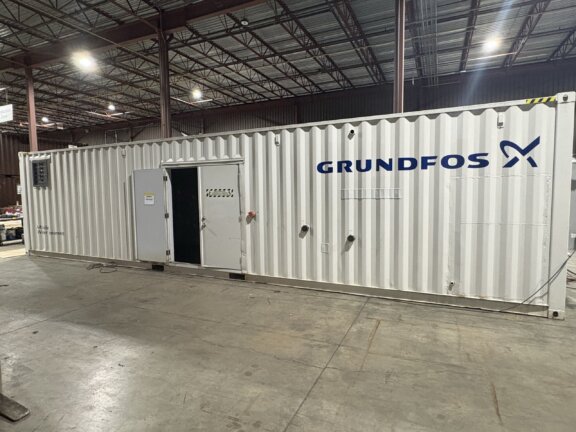
For a biomass power facility of this scale, the boiler feed water treatment system is a critical part of plant operations. Rather than operating as a standalone package, the system is fully integrated with the plant’s boilers, condensate return system, and utility infrastructure to continuously produce the high-purity water required for reliable steam generation and long-term equipment performance.
Newterra’s boiler feed water treatment expertise is backed by more than 150 years of experience through the legacy of the COCHRANE® brand. The company designs and manufactures complete water treatment systems for power generation and industrial applications, incorporating technologies such as water softening, reverse osmosis, demineralization, deaeration, condensate polishing, ion exchange, and electrodeionization (EDI) to deliver the high-quality water essential for efficient boiler operation.
Newterra has provided boiler feed water systems for a wide range of industries focused on sustainable operations, including biomass and waste-to-energy facilities, pulp and paper mills, chemical processing plants, mining operations, steel manufacturing, and food and beverage production. These systems help protect critical equipment, improve operational efficiency, and ensure consistent water quality for demanding industrial processes.
“This project demonstrates how Newterra combines decades of water treatment expertise with the evolving needs of the renewable energy sector,” says David Alvarado of Newterra. “We’re proud to support a facility that will generate renewable electricity and process steam while contributing to more efficient and sustainable industrial operations.”
Wood-fired biomass facilities play an important role in the renewable energy mix by converting sustainably sourced wood waste and forestry residues into electricity and process steam. When responsibly managed, these facilities provide dependable, dispatchable power, reduce reliance on fossil fuels, and support lower greenhouse gas emissions.
Biomass CHP facilities are particularly valuable to industries such as pulp and paper, forestry, and manufacturing because they maximize energy efficiency by producing both electricity and useful thermal energy. At the same time, they create demand for locally sourced biomass resources, supporting regional economies and making productive use of forestry byproducts that might otherwise go unused.
As the energy industry continues to evolve, Newterra remains committed to supporting the next generation of sustainable infrastructure. By combining proven water treatment expertise with innovative technologies, the company continues to develop solutions that help industrial facilities improve efficiency, conserve resources, and meet the growing demand for cleaner, more reliable energy production.