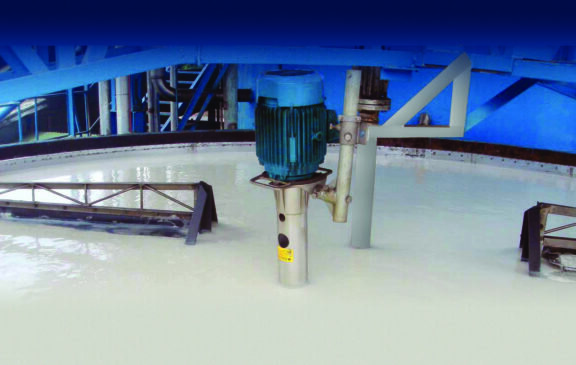
Aire-O2® Microfloat Dispersed Air Flotation (DAF) System
Newterra Aire-O2® Microfloat Dispersed Air Flotation (DAF) System is an effective and reliable physical/chemical pre-treatment technology at a much lower cost.
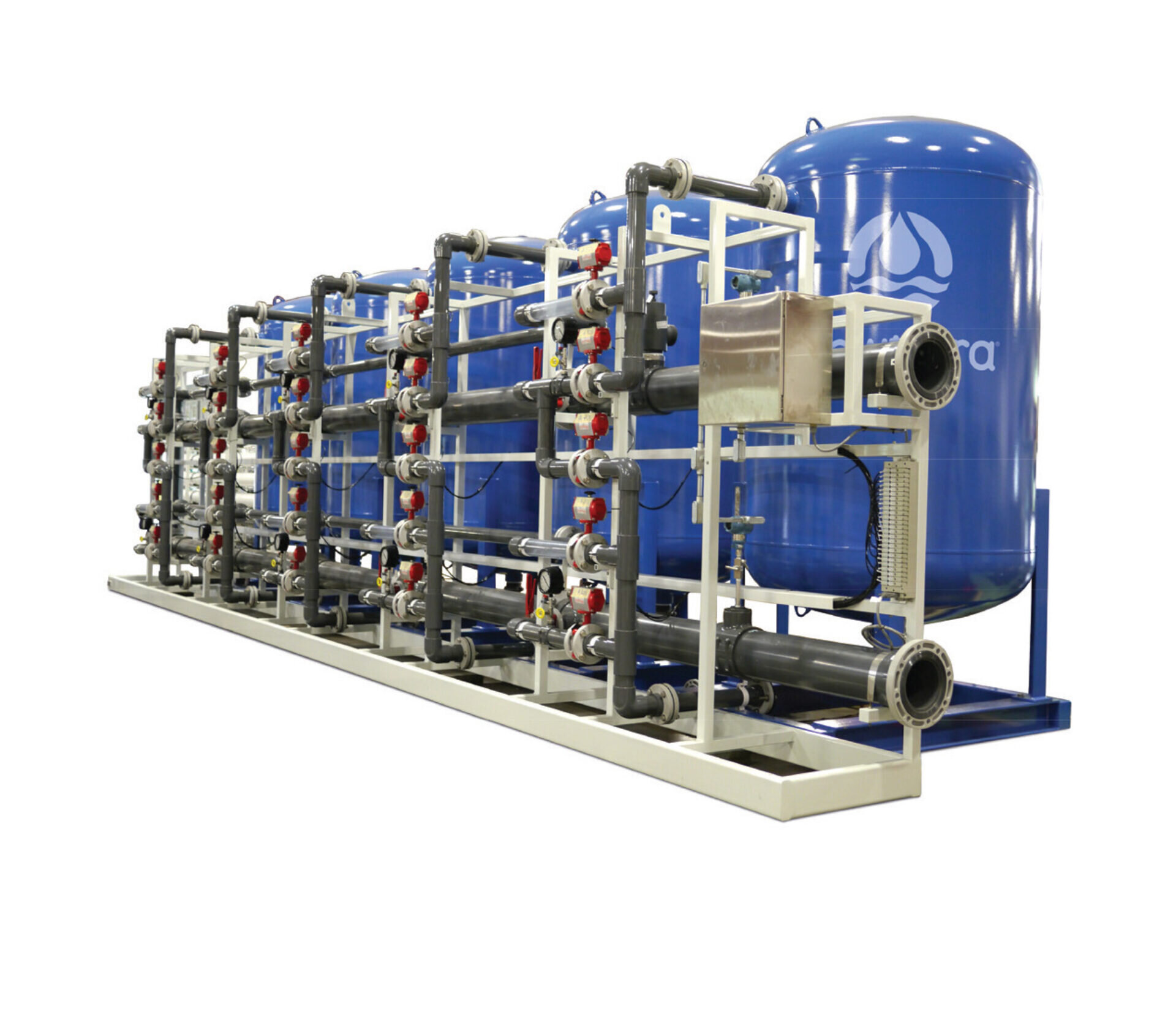
Multi-Media Filtration is a robust, industrial quality system to remove total suspended solids (TSS), turbidity, and silt density index (SDI): dirt, sand, and sediment. Abrasive suspended solids can easily damage plumbing, valves and downstream equipment. They will plug filters, foul reverse osmosis (RO) membranes, cause fouling and thermal efficiency loss, and harm boilers.
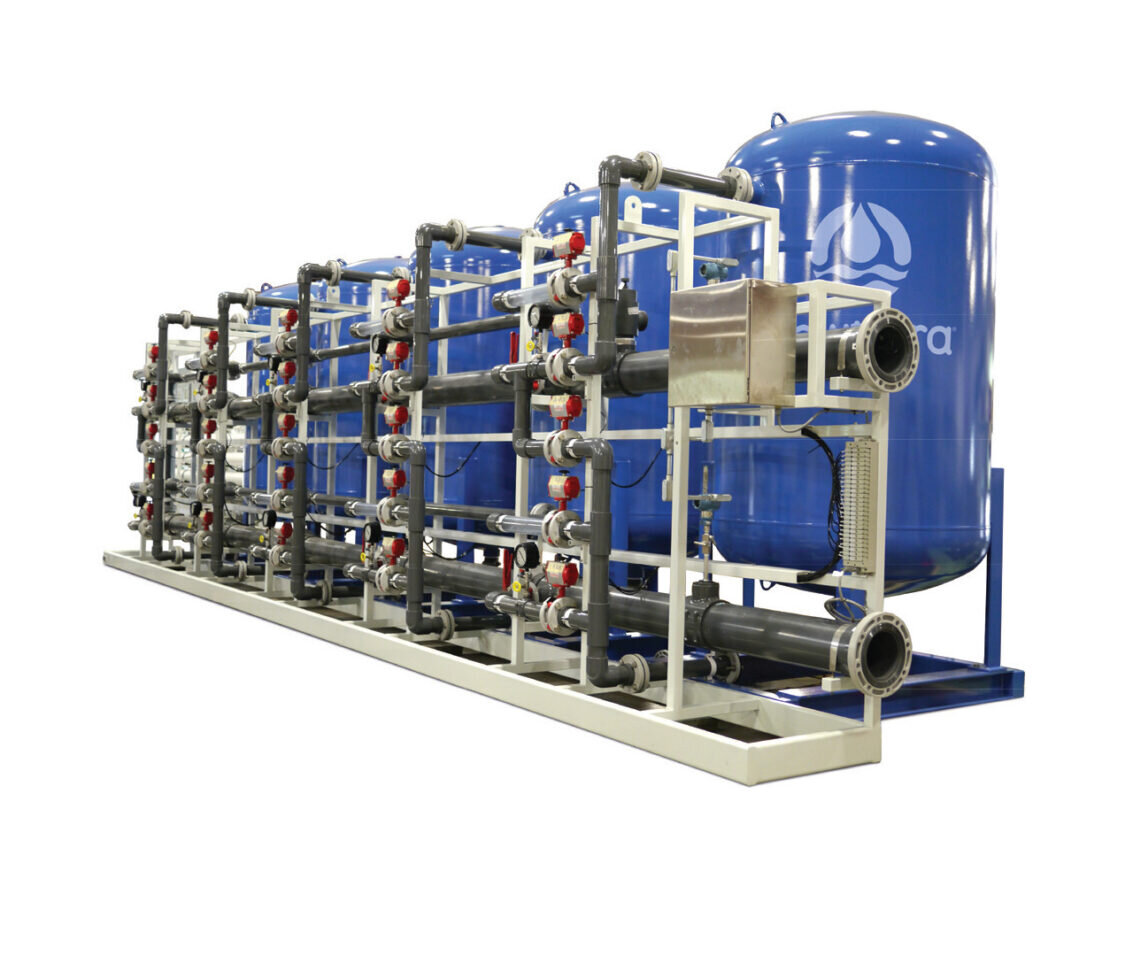
For filtering turbidity from liquid streams before an activated carbon polishing phase, see the Newterra Activated Carbon Media Filtration Vessels.

We understand your unique challenges. Beyond a technology solution, Newterra is dedicated to the entire lifecycle of your needs. Whatever support you need, Newterra probably has a solution to solve it..
Whether your needs are short-term bridge, emergency or supplemental or long-term system deployment, Newterra has flexible solutions that alleviate the need for major capital expenditure.
From operations consultation and long-term service contracts embowered by our Internet of Things (IoT) platform to commissioning expertise and emergency ad-hoc needs almost anywhere in the world, our technical experts are available to serve you. Let Newterra keep your systems optimized.
From licensed and certified removal, to exchange, to supply, Newterra provides the gamut of services to keep your media and membrane solutions at peak performance. Let the same experts who build your systems help you keep them running.
Rely on Newterra for all your aftermarket needs. Our teams have the background and tools to serve you effectively. Nothing beats original equipment manufacturer (OEM) service. Anything you need, we’re here for you.
Feed water enters the vessel through an inlet valve and is sprayed out over a mixed media bed. The water then flows down through the bed. The coarse media layers trap large particles, and successively smaller particles are trapped in the finer layers of media.
The result is a highly efficient filtering system since suspended solids removal takes place throughout the entire bed. The clean water enters the distributor system at the bottom of the vessel and travels upward via the center riser tube, which is then piped out of the vessel.
Over time the media will trap additional solids resulting in an increased pressure drop across the vessel. Once the pressure drop reaches a preset level, the control system (or manual initiation) will trigger a backwash mode. During backwash, the flow is reversed, and the feed water enters down through the riser tube, exits out the distributor system and flows upward through the bed of media. This increased velocity up through the bed disturbs the media and releases the trapped particles which are sent to a drain.
Newterra Aire-O2® Microfloat Dispersed Air Flotation (DAF) System is an effective and reliable physical/chemical pre-treatment technology at a much lower cost.
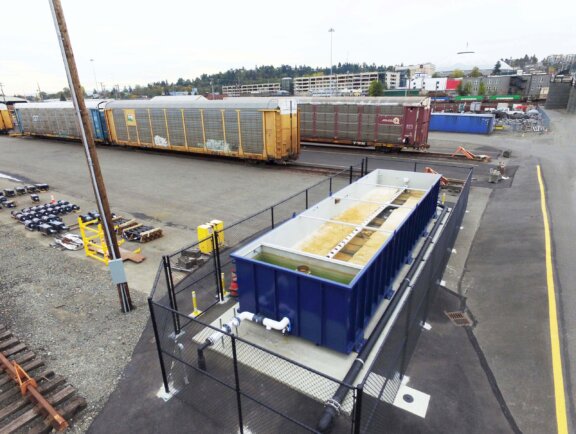
Newterra Aquip Media Filtration System offers reliable industrial stormwater treatment to remove pollutants such as suspended solids, turbidity, heavy metals, organics, and nutrients. Targeted metals include copper, zinc, iron, lead, aluminum, nickel and cadmium.
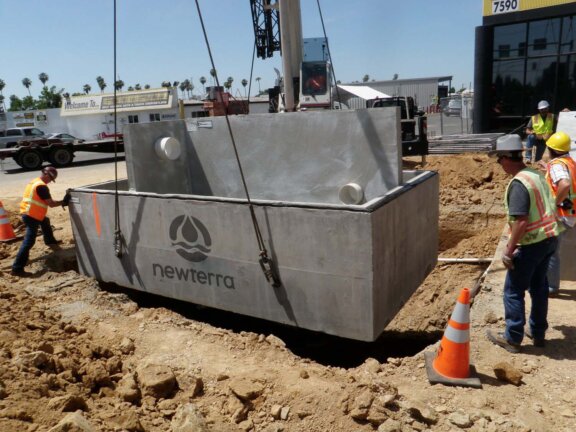
Newterra Clara Filter provides a patent pending passive media filter that can serve as a standalone treatment or as a pretreatment best management practice (BMP).
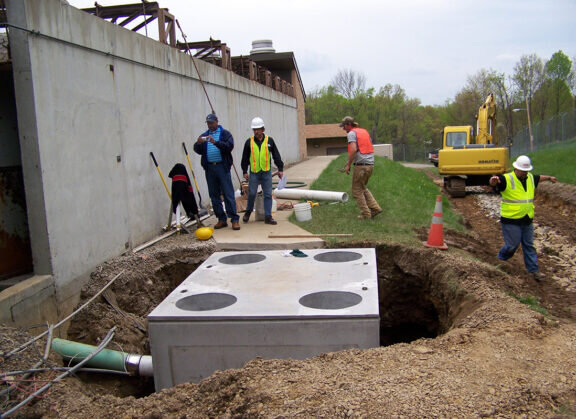
Newterra Clara Gravity Separator provides a patented oil-water separator for basic industrial stormwater treatment that can be used as a standalone treatment or as part of a treatment train.
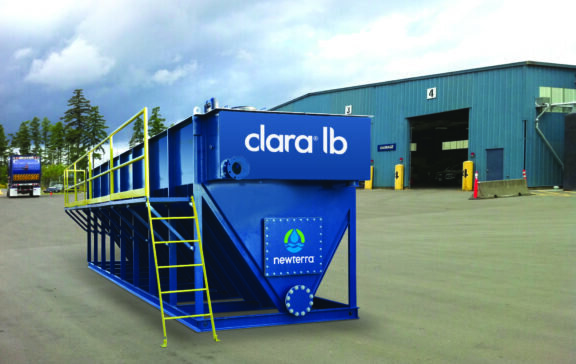
Newterra Clara LongBox (LB) Separators offer high sediment-loading, high flow-rate active stormwater treatment separators in a flexible, modular package.
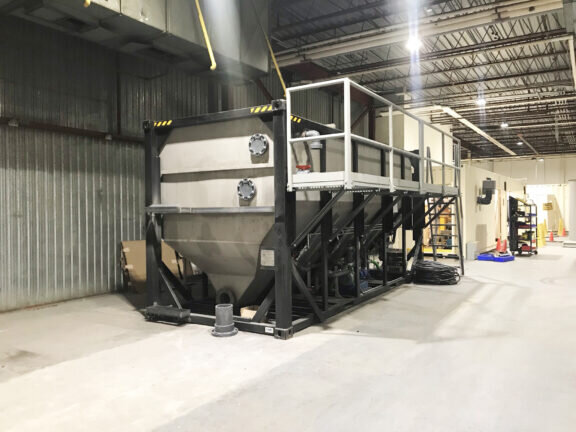
Modular high-flow units strip sediment, meeting strict discharge criteria.
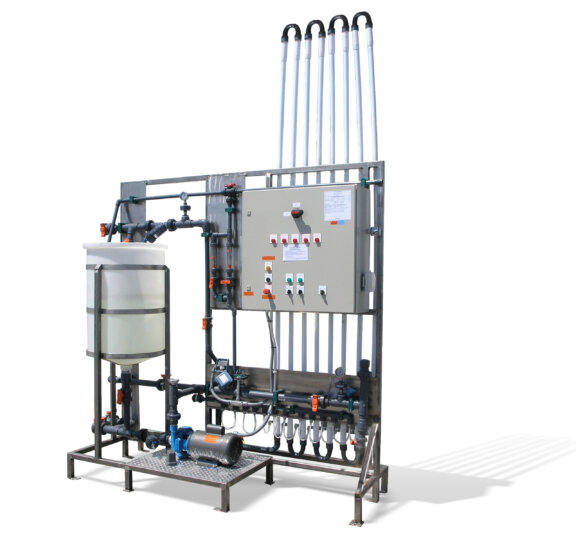
Newterra Microfiltration, Ultrafiltration (UF) and Nanofiltration Systems for total suspended solids (TSS) and oil removal from industrial wastewater and reverse osmosis (RO) pretreatment.

Various technologies use Ion Exchange Resins (IX) to remove inorganic dissolved solid impurities from feed water, process equipment and steam-generating boilers to prevent scaling and oxidation damage.
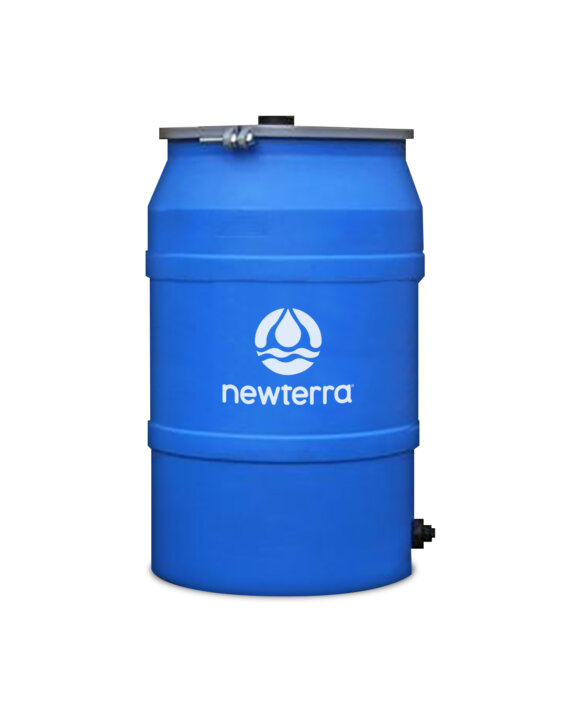
Liquid phase GAC drums ensure even flow, efficient contaminant adsorption.
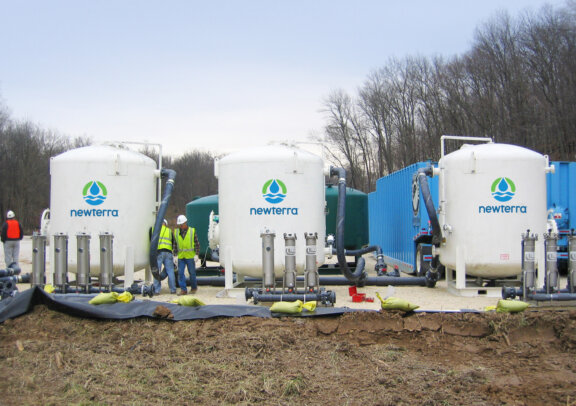
Newterra Liquid Phase Bag Filtration Systems provide reliable and efficient performance in removing suspended solids or gelatinous particles from liquid streams
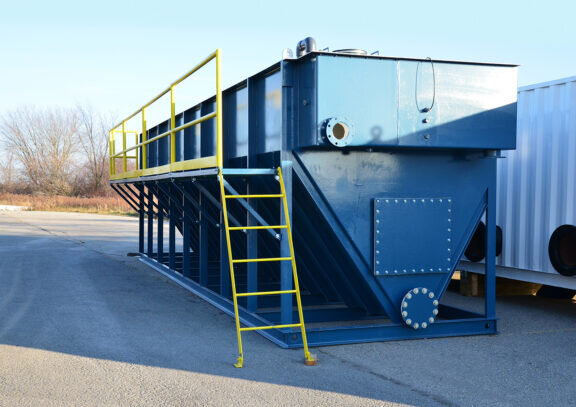
Modular clarifiers triple settling area for fast sediment removal.
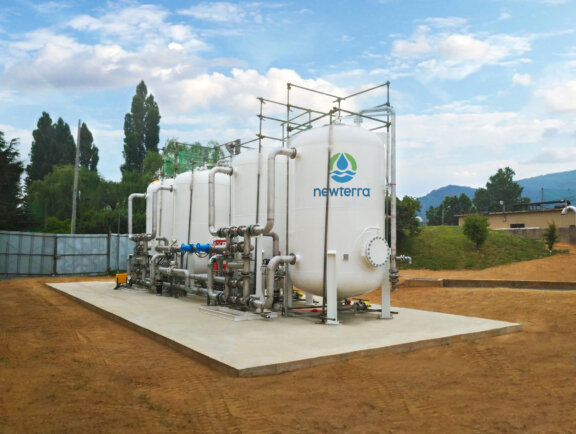
Activated Carbon Adsorption Systems For Per- and Polyfluoroalkyl substances (PFAS) Water Treatment
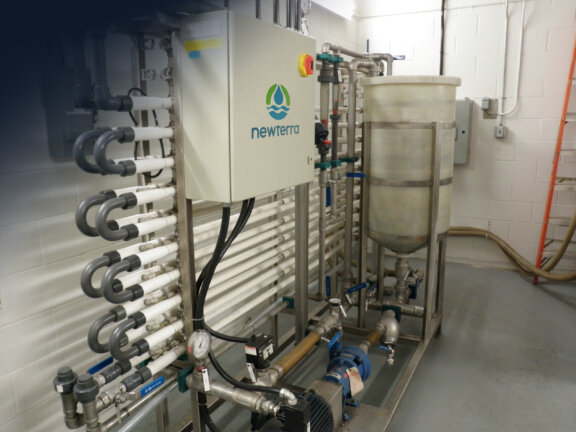
Low-pressure filtration for product recovery and wastewater treatment.
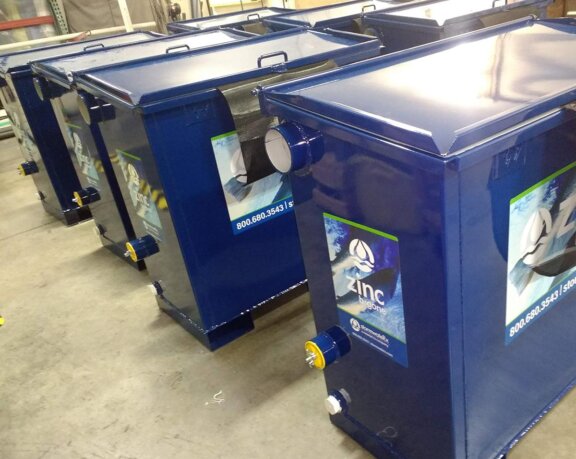
Newterra Zinc-B-Gone Roof Runoff Filter provides an advanced level of pollutant removal, including dissolved metals such as zinc, copper and lead.